
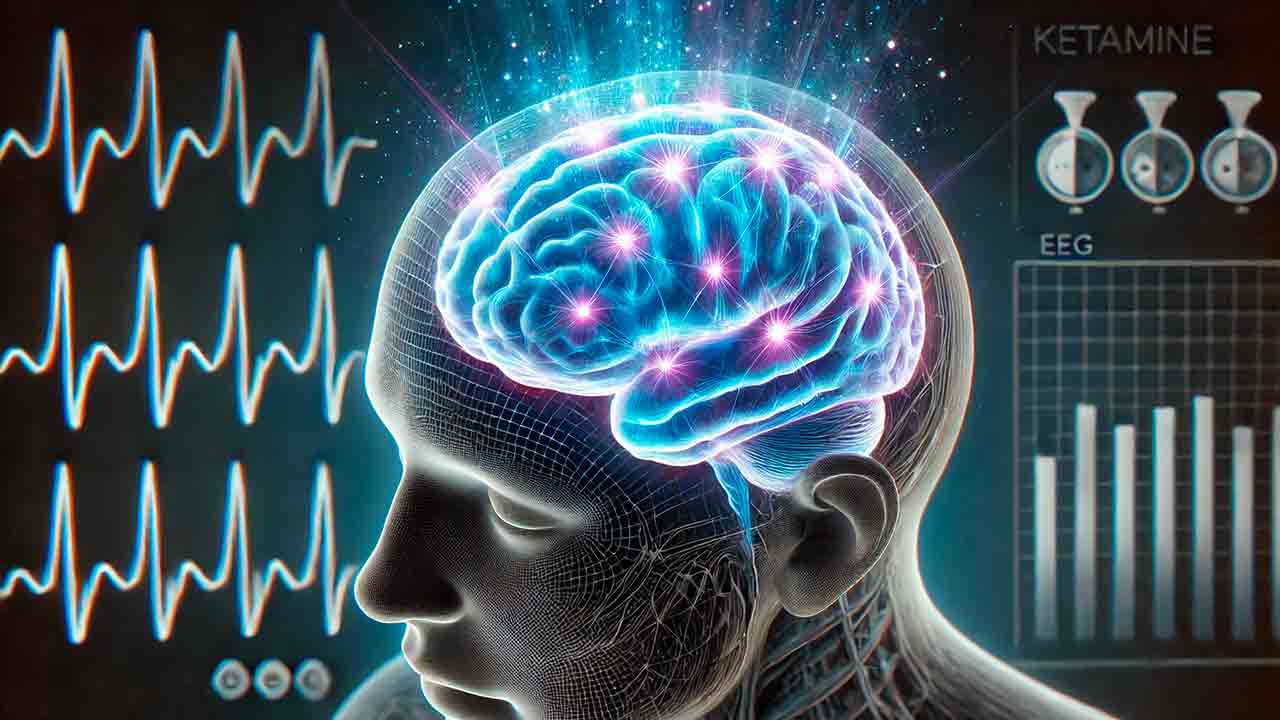
Ketamine is a drug originally developed as an anesthetic, widely used in medicine and veterinary care.
In recent years, it has been studied for its effects in treating treatment-resistant depression and psychiatric disorders, but it has also been used recreationally, which can lead to serious health risks.
What is ketamine, and how does it work?
According to the MSD Manual, ketamine is a substance that acts on the central nervous system by blocking NMDA receptors, which regulate the neurotransmitter glutamate. This action alters the perception of reality, causing a sense of dissociation, analgesia, and sedation.
Its fast-acting effect has led to its use in short-duration surgical procedures and the treatment of chronic pain. Additionally, recent research indicates that ketamine may be effective in treating treatment-resistant depression and suicidal ideation, according to information from the Drauzio Varella portal.
Risks and adverse effects of ketamine
Although it has important medical applications, the misuse of ketamine can pose significant risks. Tua Saúde highlights some of the main side effects:
- Hallucinations and delusions
- Increased blood pressure and heart rate
- Memory loss and difficulty concentrating
- Damage to the urinary tract (ketamine-induced cystitis)
- Psychological dependence and abuse
Recreational use of ketamine, commonly known as “Special K”, can cause episodes of psychosis and dissociation, making it especially dangerous in high doses. The MSD Manual warns that frequent abuse can lead to permanent cognitive and psychiatric issues.
Ketamine in depression treatment
Ketamine has been studied as an option for patients with treatment-resistant depression. According to the Clínica Brasil Goiânia, some specialized clinics already offer controlled intravenous infusions to treat psychiatric disorders. However, its use must be supervised by healthcare professionals, as side effects may include depersonalization and temporary psychotic symptoms.
Ketamine is a substance with therapeutic potential, but its use should be approached with caution. While its role in treating mental illnesses continues to be studied, the risks of uncontrolled consumption are concerning. Experts emphasize the need for regulation and medical supervision to prevent severe complications.
Sources:
- Drauzio Varella – What is ketamine and what are its risks?
- Tua Saúde – Indications and side effects of ketamine
- MSD Manual – Ketamine and its effects
- Clínica Brasil Goiânia – Ketamine in depression treatment
This content was created with the help of AI and reviewed by the editorial team.
