Studies indicate that regular exercise can reduce pain, improve well-being, and may even help prevent the condition that affects millions of women worldwide.
Endometriosis is a condition that affects millions of women around the world and, despite being quite common, it still raises many questions. According to data from the World Health Organization (WHO), the disease affects around 176 million women worldwide. In Brazil, it is estimated that approximately 7 million women live with the condition, representing about 15% of the country’s female population.
+ 18 clear signs you may be in an unhappy marriage
+ Two Women Arrested After Filming Video in Front of Burning Depot in Russia
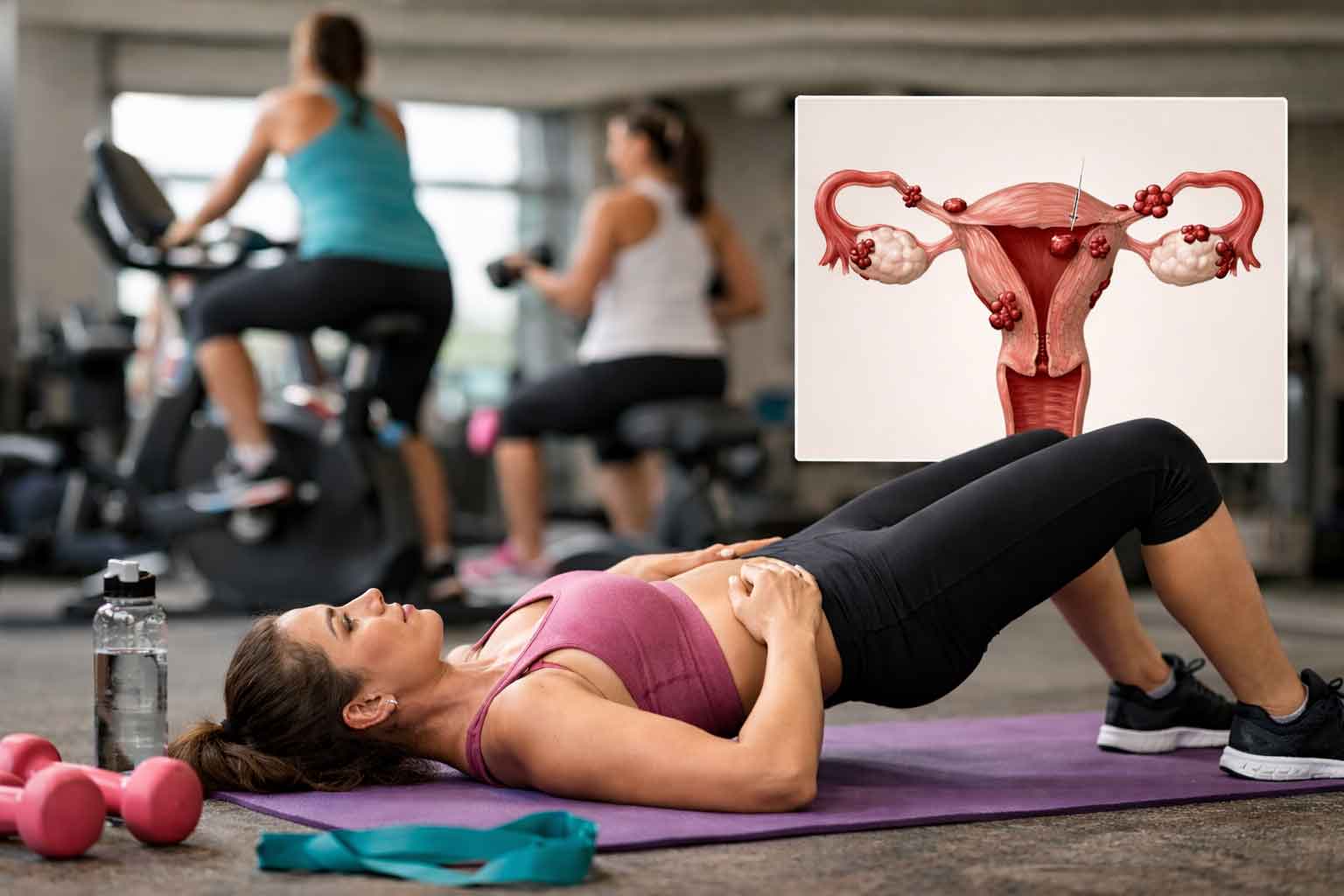
The disease occurs when the endometrium, the tissue that lines the inner wall of the uterus, begins to grow in other areas of the body. This abnormal growth can cause several symptoms, including severe pain during menstruation, infertility, and pain during sexual intercourse, especially with deep penetration.
Because it is a chronic disease, treatment generally aims primarily to reduce pain and improve patients’ quality of life. In this context, specialists point out that regular physical activity can be an important ally.
Physical exercise can reduce pain
A study published in the Journal of Physical Therapy Science revealed that an eight-week exercise program was able to significantly reduce pelvic pain and improve postural changes associated with endometriosis.
According to physical educator Lucas Cardoso, a specialist in musculoskeletal injuries and diseases, the benefits are linked to the body’s own chemical reactions.
He explains that regular exercise stimulates the production of important neurotransmitters, such as serotonin, which regulates sensory pathways related to pain, and dopamine, associated with feelings of pleasure and well-being.
Despite the benefits, the specialist emphasizes that physical activity does not replace medical treatments, which may include hormonal medications or even surgical procedures. Even so, exercise can help reduce side effects of treatments, such as fluid retention and weight gain.
Consistency is essential
For the benefits to appear, consistency is a key factor. According to Lucas Cardoso, the ideal routine is to practice physical activities between three and four times per week, with sessions lasting 40 to 60 minutes.
He also highlights the importance of choosing an activity that the patient enjoys, which helps maintain the habit over time. In addition, exercises that strengthen the pelvic floor may be particularly important for women living with the condition.
Exercise may also help with prevention
Even for women who do not have endometriosis, maintaining an active lifestyle may act as a protective factor. A study from Harvard University in the United States, which followed 4,062 women, indicated that those who practiced physical activity from a young age had a lower likelihood of developing the disease.
Among the most recommended exercises are aerobic activities, which help reduce estrogen levels — a hormone that can stimulate the growth of the endometrium.
Walking, cycling, swimming, Pilates, and functional training are among the most recommended practices. Even so, specialists warn that it is essential to seek professional guidance before starting any exercise program, since incorrectly performed activities may worsen pain or cause injuries.