Even if you rarely think about them — especially if you are not planning a pregnancy — the ovaries play fundamental roles in the balance and functioning of the female body.
Small, about the size of a walnut, these organs have a direct impact on hormonal and reproductive health. “The ovaries are among the most important organs in the female body,” highlights Mary Jane Minkin, professor of obstetrics, gynecology, and reproductive sciences at Yale Medical School. Below are five essential facts about them.
+ Does Vinegar Work as a Disinfectant? Experts Explain What the Science Really Says
+ Complete guide: compare the 10 most popular types of milk
1. They are true hormone factories
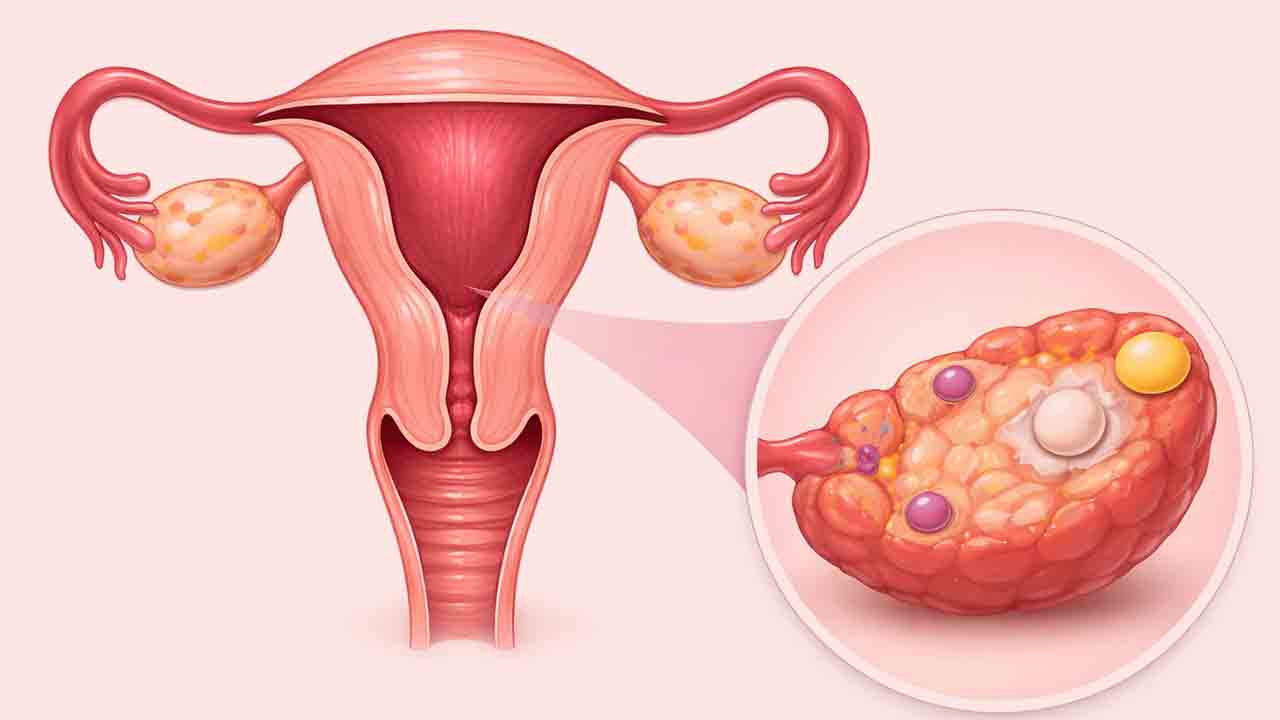
The ovaries produce estrogen and progesterone, hormones that are essential for female development during puberty — including breast growth, the onset of menstruation, and changes in body fat distribution. In addition, these hormones prepare the uterus for a possible pregnancy. When production is insufficient, difficulties conceiving may occur. They also produce testosterone in smaller amounts than estrogen, but enough to play an important role in female libido.
2. Their size changes throughout life
Unlike other organs, the ovaries do not maintain a fixed size. Measuring on average between three and five centimeters, they can undergo small variations throughout the menstrual cycle. During ovulation, for example, it is common for a slight temporary enlargement to occur due to the release of the egg and the possible formation of small functional cysts. According to Alyssa Dweck, assistant professor of gynecology and obstetrics at the Mount Sinai School of Medicine, these changes are normal and temporary. After menopause, when they no longer perform an active reproductive function, they tend to shrink.
3. Stress can interfere with their function
Periods of intense stress can directly affect ovulation. Significant life changes or substantial weight loss may temporarily suspend the release of eggs. According to Dweck, this is a biological protective mechanism, as the body tends to avoid pregnancy during times of physical or emotional instability.
4. They can influence acne and other symptoms
Because they regulate hormonal balance, the ovaries may also be linked to changes in the skin and body. In conditions such as polycystic ovary syndrome (PCOS), there is an imbalance between estrogen, progesterone, and testosterone. Excess testosterone, for example, may cause acne, increased hair growth in typically male-pattern areas, and weight changes. In such cases, medical follow-up is essential to determine the appropriate treatment.
5. Birth control pills may offer protection
Birth control pills that combine estrogen and progesterone are associated with a significant reduction in the risk of ovarian cancer. According to the American Cancer Society, just a few months of use may already provide a protective benefit. Studies indicate that, especially in women with BRCA1 or BRCA2 gene mutations, the risk may be reduced by more than 50%. For many patients, this represents an important preventive strategy, always under medical guidance.